

(This one comes with audio — hit play if you’d rather listen)
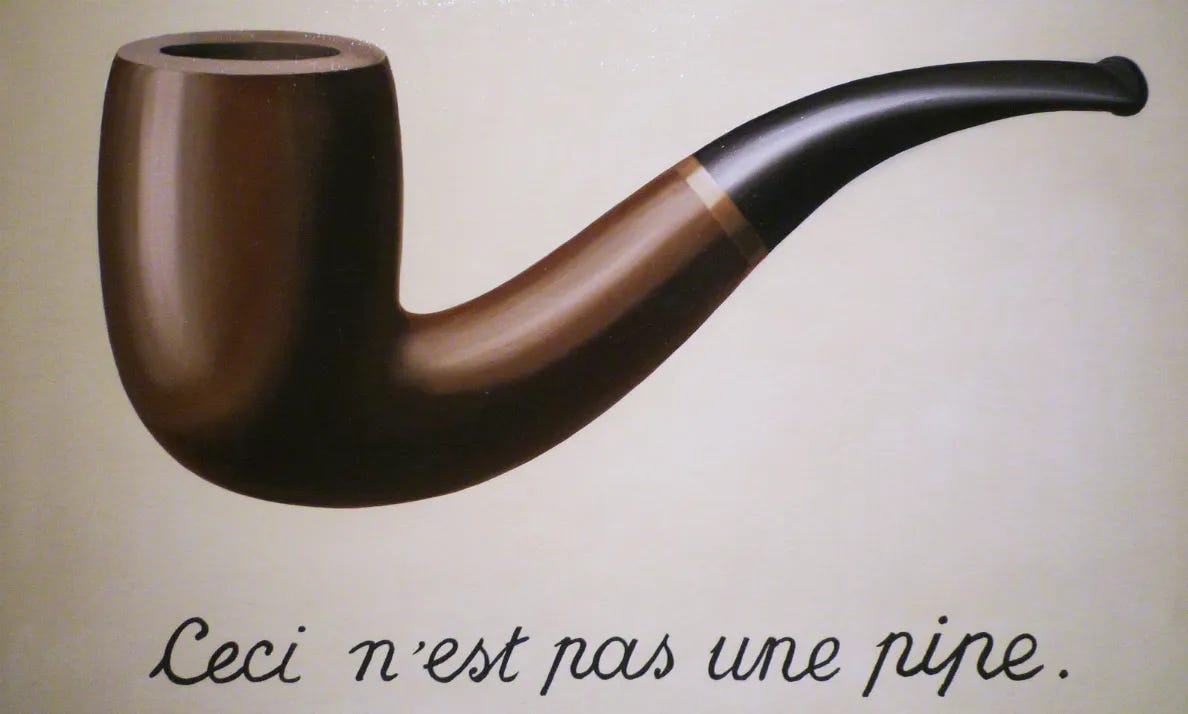
I’ve overheard it in a meeting. Two people disagreed on a strategic direction, you could feel the temperature creeping up, and one of them eventually responded to the disagreement with: “It’s just semantics.” As in — “this is not worth arguing about, let’s move on.”
I’ve been thinking about that phrase ever since. Not the first time, though. I’ve realized I’ve heard it repeatedly over the years. “It’s just semantics.”
I cannot help but think: what is there in a conversation besides semantics?
A lot, actually — tone, body language, emotion, context. But in organizations, especially when we discuss strategic matters, it is critical that we are all on the same page — everyone involved understands exactly and in the same way what we are discussing and what we are about to do.
Locally — in any given room — there are a lot of factors that matter. Outside of the room, as the mission and vision spread through the organization, the thing that survives the journey is the words. The meaning they carry. Semantics is the part that scales.
In that sense, semantics isn’t a distraction from strategy, nor a tangent to it. It IS the strategy. Every strategic decision is ultimately a question of “what do we mean when we say X?” What does “customer-first” mean when you have to choose between two customers? What does “quality” mean when the deadline is tomorrow? What does “aggressive” mean when half the room thinks it means pricing and the other half thinks it means litigation?
When someone says “we need to move fast,” what do they mean? Ship in two weeks? Hire three people by Friday? Skip the compliance review? Everyone in the room nods. Nobody is agreeing on the same thing. “Move fast.” “Be aggressive.” “Think long-term.” “Stay lean.” These are words that feel like decisions or directions but aren’t — because nobody defined them. The meeting ends with alignment that doesn’t exist.
So here’s how I think about this today. When we wave away the definitional question with “it’s just semantics,” it’s not really avoiding a pointless argument. Two people walk out of the room thinking they agreed. They didn’t. They agreed on a word. They never agreed on what it means.
We’re locking in a misunderstanding and voluntarily giving it time to compound. And compound it will.
Some understood this. Jeff Bezos banned PowerPoint at Amazon and required six-page narrative memos instead. Slides let people hide behind vague language. A bullet point like “improve customer experience” survives a meeting unchallenged. You can hide a lot behind hand gestures and a confident delivery while giving a presentation, too.
Try writing that as a full paragraph, and you're immediately forced to explain what you actually mean. And if you don't, whoever reads it will force you to. Bezos insisted on plain English because he understood how critical semantics is.
We can disagree on the meaning of the message. It’s OK to disagree. It’s OK to be confused. Nobody knows. But we can figure it out. As long, that is, as we all recognize we haven’t reached agreement — or at least understanding — yet.
Semantics is literally the study of meaning. Dismissing it is dismissing whether you mean what you say. And the meaning of what you say sounds like a damn important thing to me.
Good words indeed! ✨
Tone makes intent visible, similar to the way body language does. But tone persists as it’s baked into the words. Intent is damn important, IMO ;)